
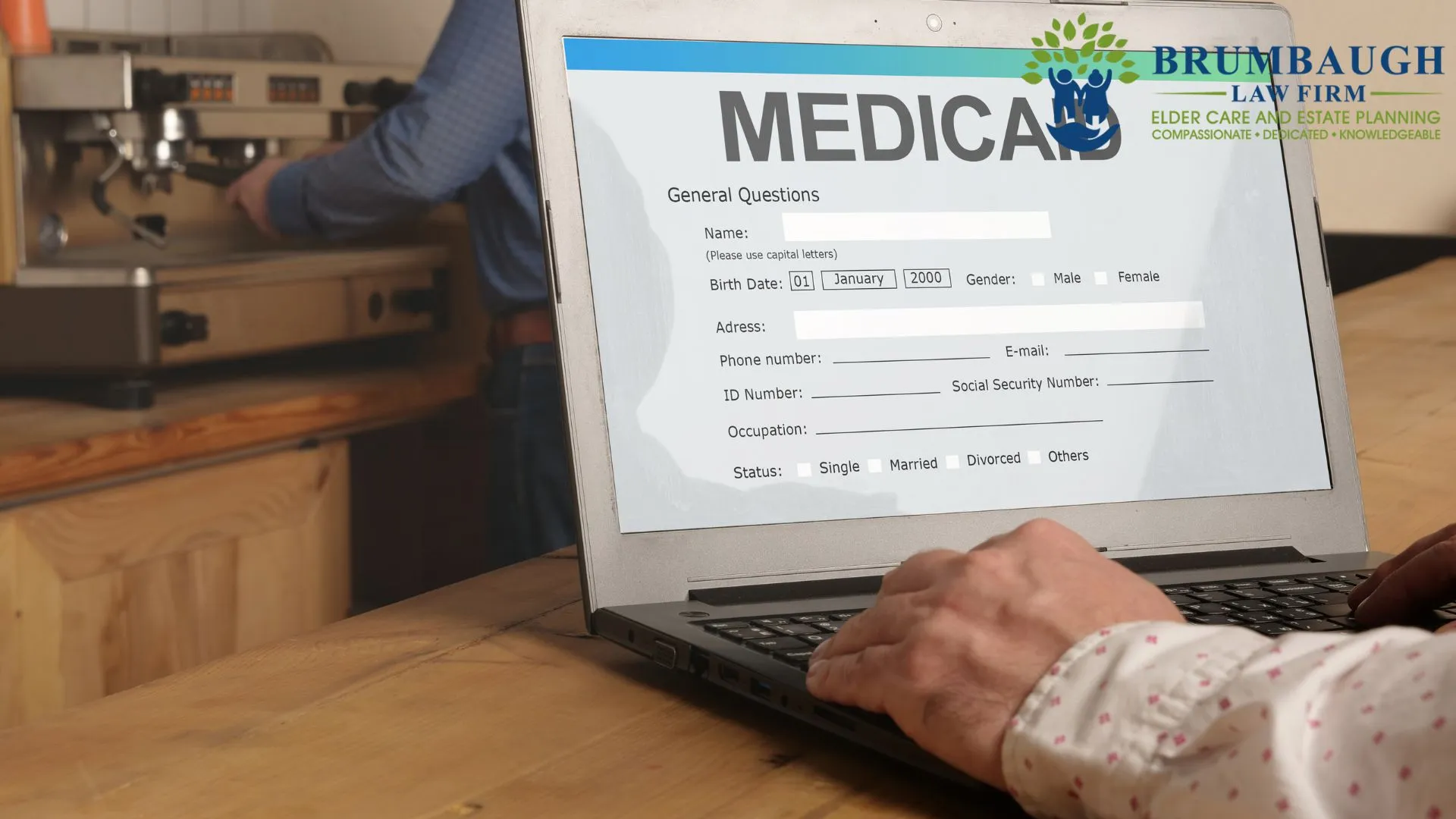
Getting approved for Medicaid in Ohio is a significant milestone. It provides the financial security necessary to afford long-term care, nursing home stays, or essential medical services. However, receiving that initial approval letter is the beginning of a maintenance phase that requires vigilance.
Many families breathe a sigh of relief once approved, only to face a crisis months later because a procedural error or a slight change in finances triggered a loss of coverage.
With the Ohio Department of Medicaid estimating that thousands of adults may be disenrolled due to new requirements, understanding the rules of the road for 2026 is critical.
At Brumbaugh Law Firm, we believe that staying on Medicaid shouldn’t be as difficult as getting on it. We will walk you through the ongoing responsibilities of a Medicaid beneficiary, helping you handle annual redeterminations and the new 2026 regulations with confidence.
Key Takeaways
- Report any changes (income/assets, household, address, or health status) to Ohio Medicaid within 10 days to avoid losing coverage.
- Complete and return renewal (redetermination) paperwork on time, often within 30–60 days, to prevent a coverage gap.
- If you’re subject to 2026 work/community engagement rules, document 80 hours per month of qualifying activity (or confirm and document your exemption) to stay enrolled.
Report All Changes Immediately
The most common reason for an unexpected lapse in coverage is the failure to report changes in your circumstances. Ohio Medicaid operates on a strict information loop. If their data doesn’t match your current reality, the automated systems may flag your case for closure.
You are required to report changes within 10 days of their occurrence. These changes generally fall into four categories:
- Financial Changes: This includes any fluctuation in income (pension adjustments, new Social Security amounts) or assets (receiving an inheritance, selling a vehicle, or receiving a settlement).
- Household Composition: If someone moves in or out of your home, or if your marital status changes.
- Address Changes: If you move, Medicaid must know immediately. The “returned mail” issue is a leading cause of disenrollment. If a renewal notice bounces back to the state, coverage is often suspended.
- Medical Status: Significant improvements in health that might affect your level of care requirements.
How to Report
While you can report changes via the Ohio Benefits Self-Service Portal, many of our clients prefer the assurance of working with a professional to make sure the information is logged correctly.
When you are managing the care of a loved one, having a nursing home lawyer or a care coordinator on your team make sure that administrative updates don’t slip through the cracks during stressful medical transitions.
Understanding the “Redetermination” Process
Every year (and in some new cases, every six months), the Ohio Department of Medicaid conducts a review to make sure you still qualify for benefits. This is known as redetermination or renewal.
What to Expect in 2026
In the past, renewals were often passive. Today, you must be active participants.
- The Notification: You will receive a renewal packet by mail or a digital notification if you have opted in.
- The Timeline: You typically have 30 to 60 days to complete and return this packet. Missing this deadline creates a gap in coverage that can be retroactive, potentially leaving you responsible for thousands of dollars in medical bills incurred during the lapse.
The Shift to Six-Month Reviews
For certain populations, specifically the Medicaid expansion group, Ohio is moving toward six-month eligibility reviews rather than annual ones. While most seniors on Aged, Blind, and Disabled (ABD) Medicaid remain on an annual cycle, it is vital to check your specific approval documentation to know your review frequency.
The 2026 Ohio Medicaid Work Requirements
One of the most significant shifts in the Medicaid landscape is the implementation of work and community engagement requirements. For 2026, the state mandates that non-exempt adults complete at least 80 hours per month of qualifying activities. It is important to understand who this affects.
Most of the clients we serve at Brumbaugh Law Firm will likely fall under an exemption, but you must formally verify this status. You are generally exempt if you are:
- Age 55 or older.
- Physically or mentally unfit for employment (medical frailty).
- A parent or caretaker of a dependent child or an incapacitated person.
- Participating in a drug or alcohol treatment program.
If you are not exempt, you must document 80 hours of work, job training, education, or volunteerism. Failure to do so can result in disenrollment.
Proactive Steps to Allow For Continuous Coverage
The difference between continuous coverage and a frightening lapse often comes down to strategy.
1. The “Spend-Down” Strategy
If your income exceeds the limit, you may still maintain eligibility through a rigorous “spend-down” process, acting like a monthly deductible. However, this must be managed precisely to avoid accruing debt.
2. Managing Inheritances and Windfalls
Receiving an inheritance can instantly disqualify a beneficiary. If you anticipate an inheritance, do not commingle these funds. Consulting an Ohio elder law attorney is crucial before accepting the money to explore options like pooled trusts that might preserve eligibility.
3. Digitizing Your Records
Relying solely on physical mail is risky. We recommend setting up an account on the Ohio Benefits portal to track the status of your case in real-time.
Gain Empowerment Through Preparation
The updated regulations for 2026, including work requirements and stricter review cycles, are designed to allow for program integrity, but they can feel like hurdles to families already dealing with the stress of aging and long-term care.
You do not have to handle this bureaucracy alone. At Brumbaugh Law Firm, we view Medicaid maintenance as a vital part of our holistic care approach. We help you look around the corners, anticipating how a financial decision today will affect your coverage tomorrow.
If you have received a renewal notice you don’t understand, or if your financial situation is about to change, reach out to us. Let’s make sure your coverage remains as consistent as the care you deserve.